
Inventory Automation
Inventory Challenges Businesses Face
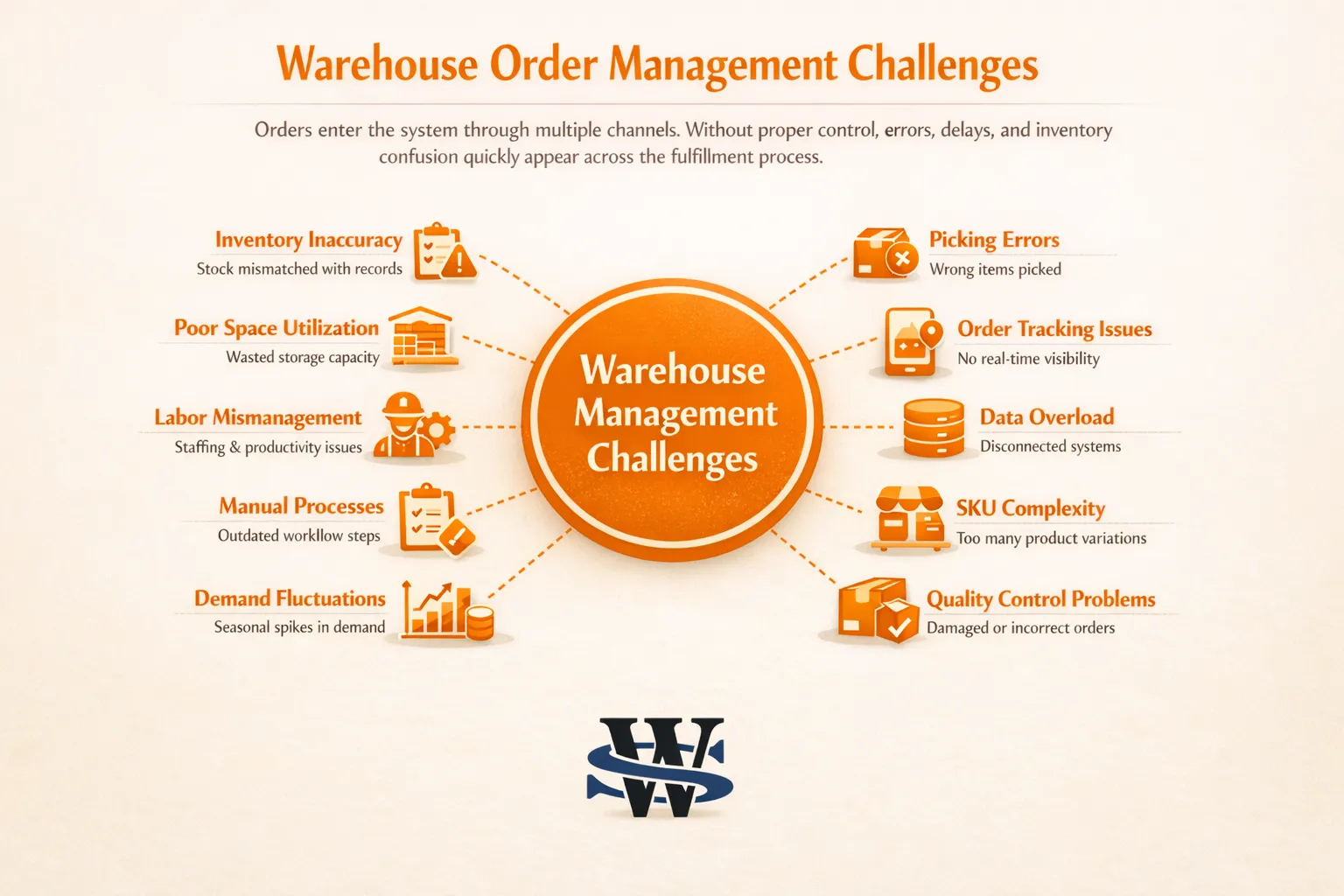
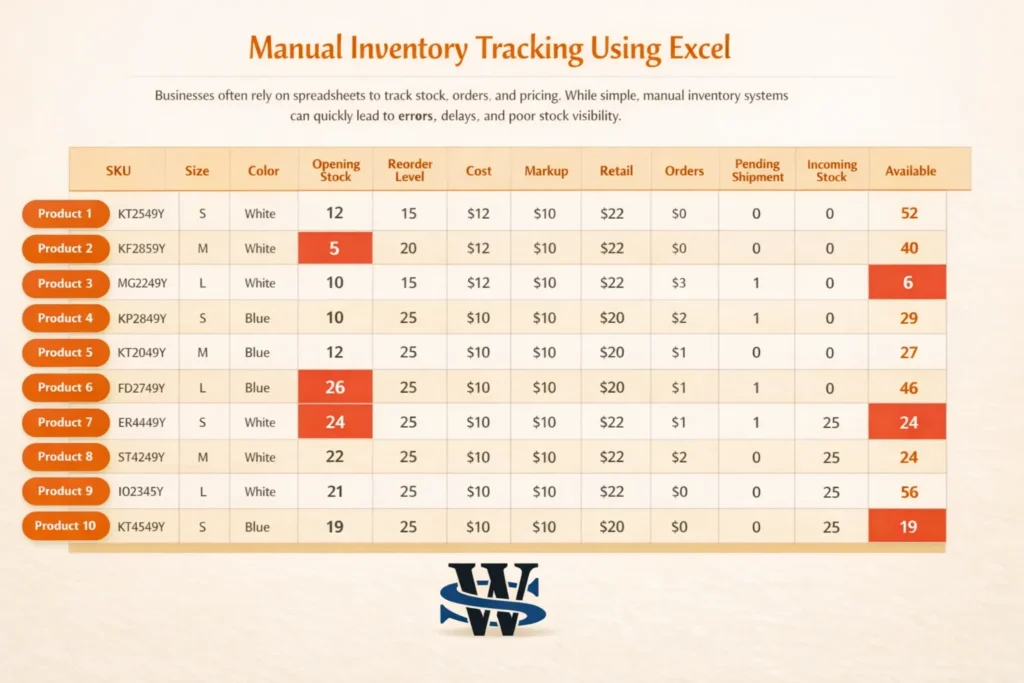
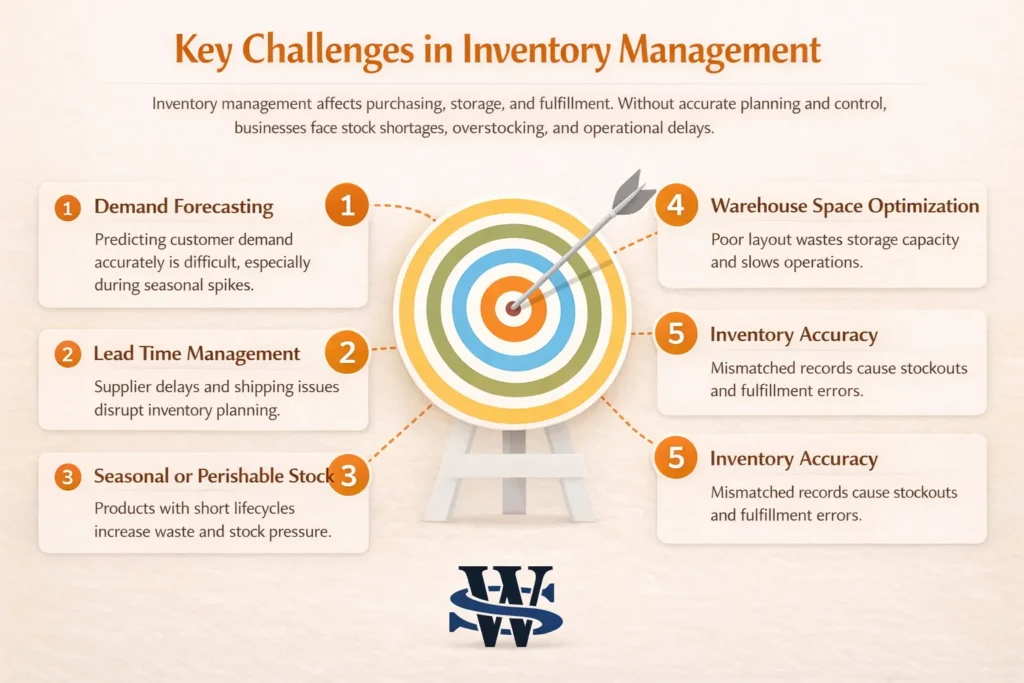
Many growing businesses struggle to maintain accurate inventory because sales happen across multiple platforms at the same time. When teams update stock manually, errors quickly appear. Products may show available even when they are already sold out, and warehouses may not have clear visibility of what is actually in stock. This confusion slows operations, increases costs, and damages customer trust.
What Inventory Automation Does
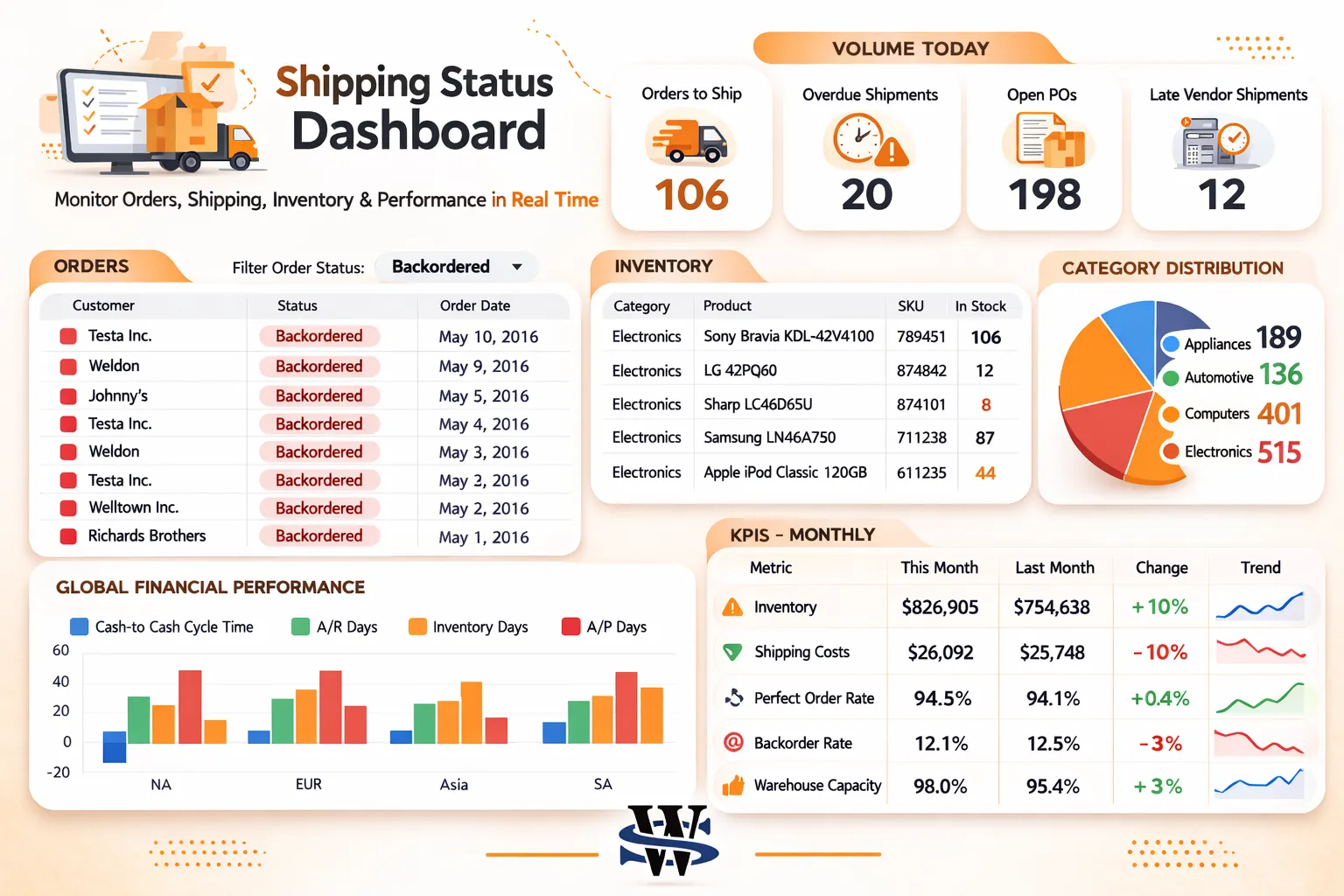
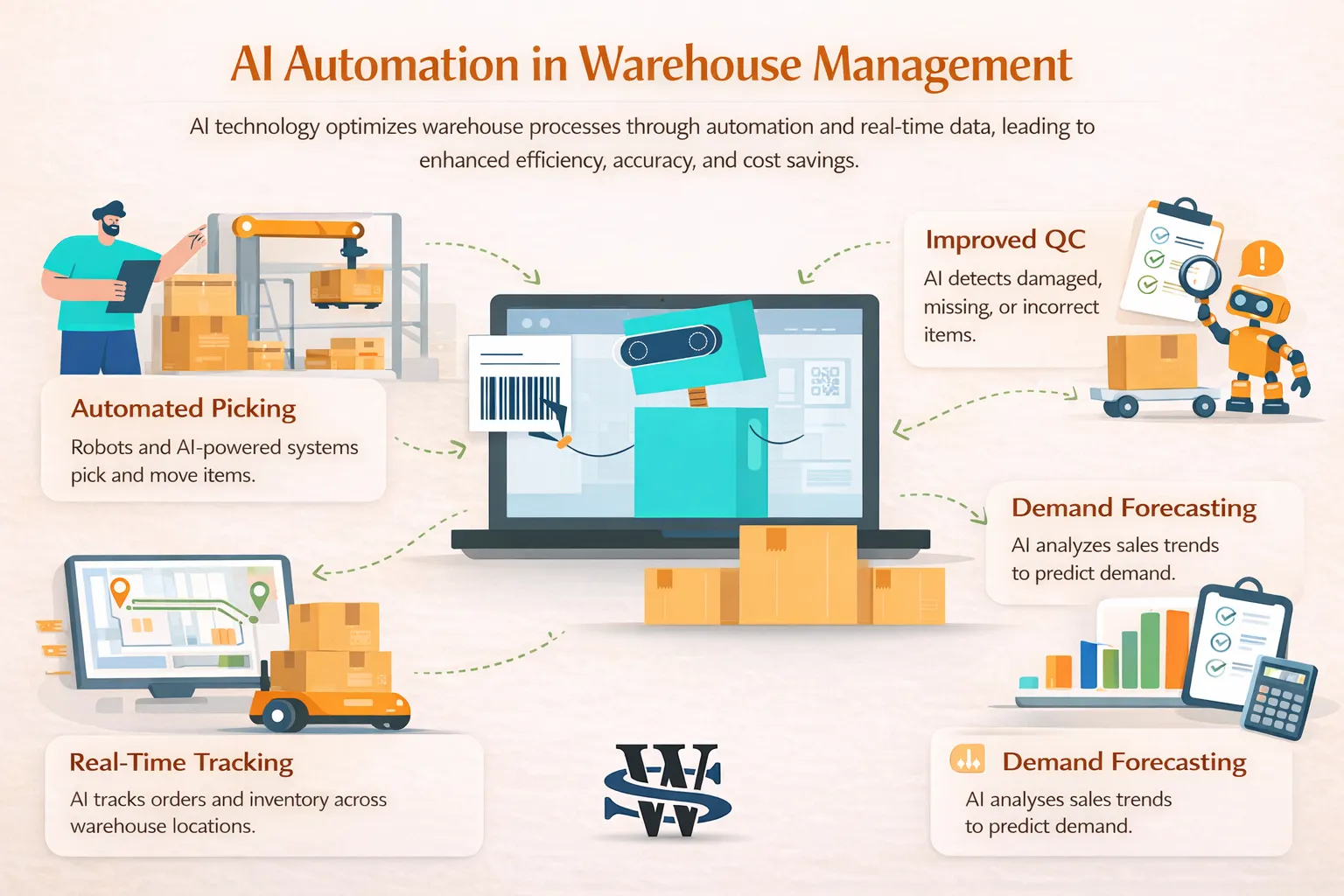
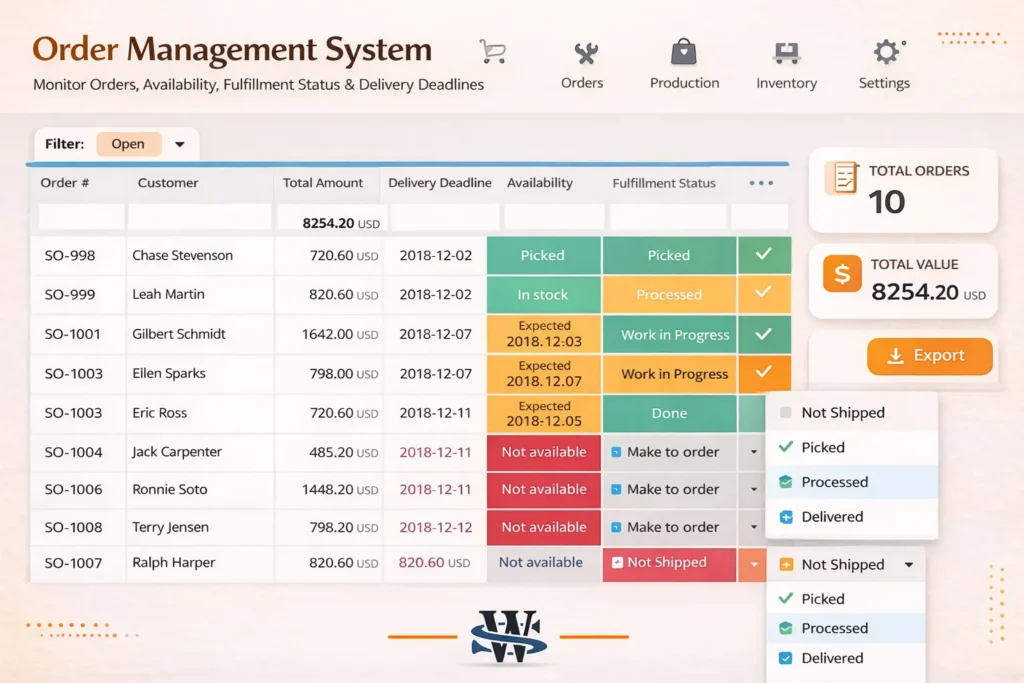
Inventory automation replaces manual tracking with a connected system that manages stock updates automatically. When products are sold, returned, or restocked, inventory records update instantly. Businesses gain accurate visibility into available stock and can respond quickly to demand without relying on spreadsheets or manual checks.
Real-Time Inventory Tracking
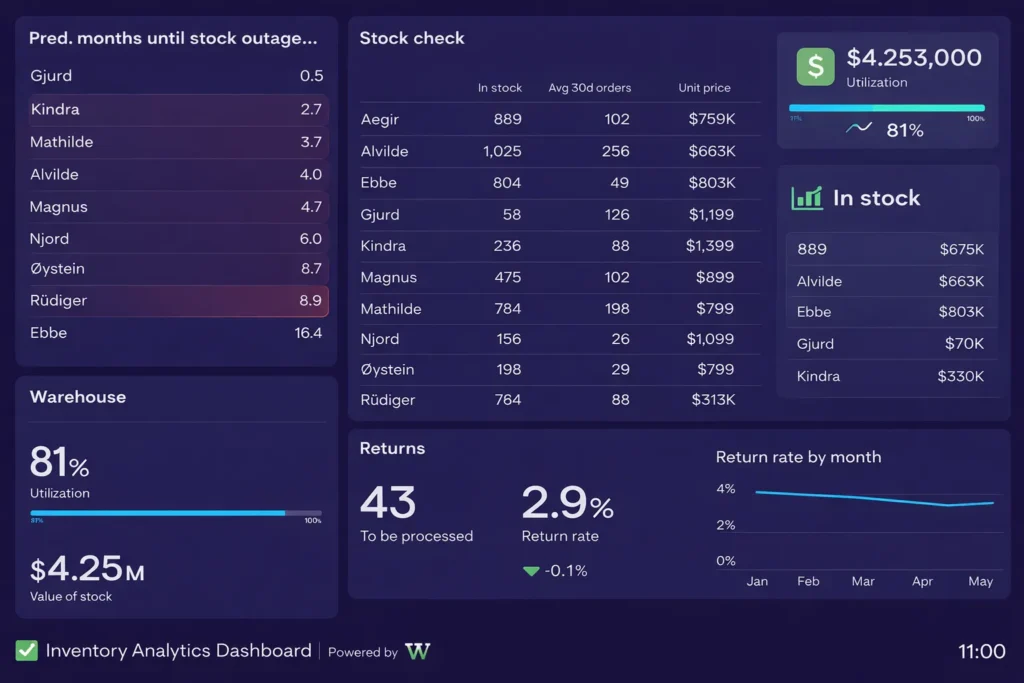
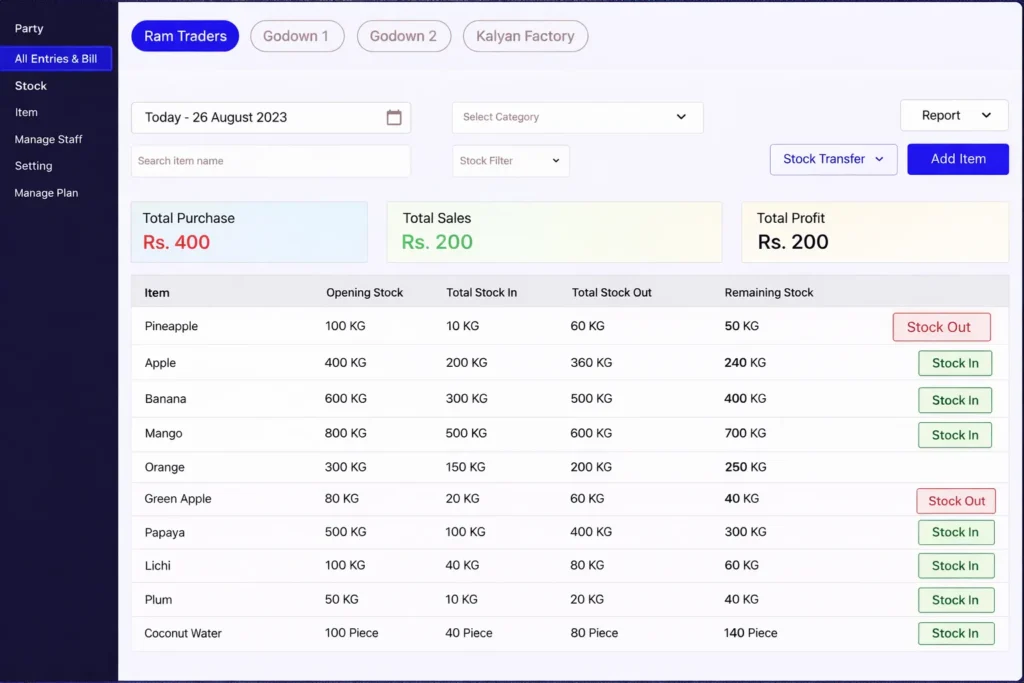
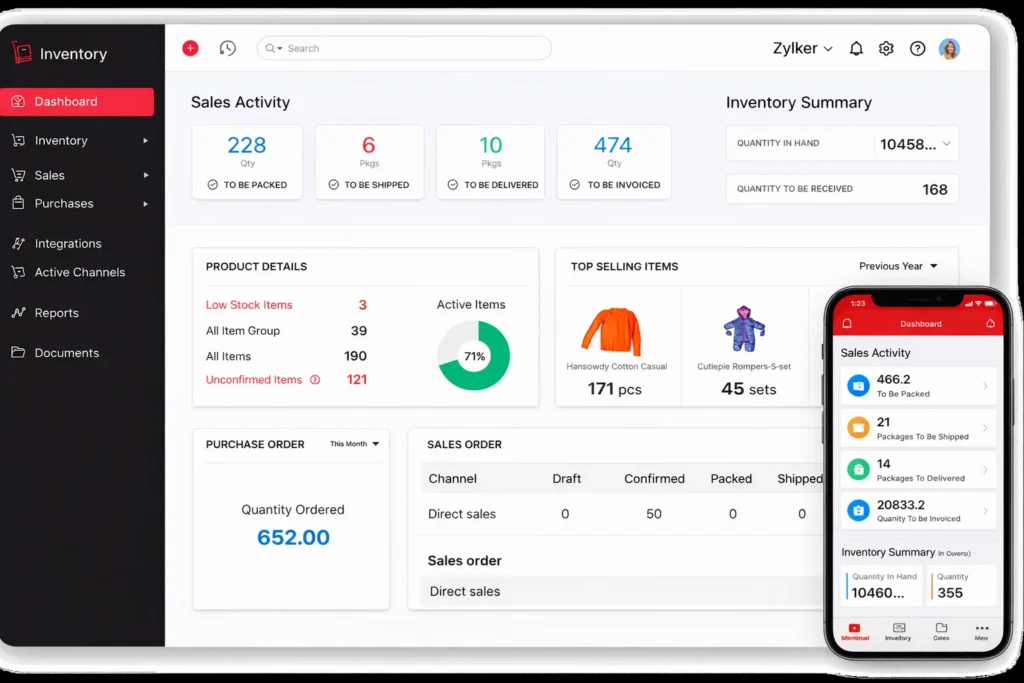
Real-time tracking allows businesses to see exactly how much inventory is available at any moment. Every movement of stock is recorded automatically, including sales, incoming shipments, and returns. This helps teams make decisions quickly and prevents misunderstandings about product availability.
Multi-Channel Inventory Synchronization
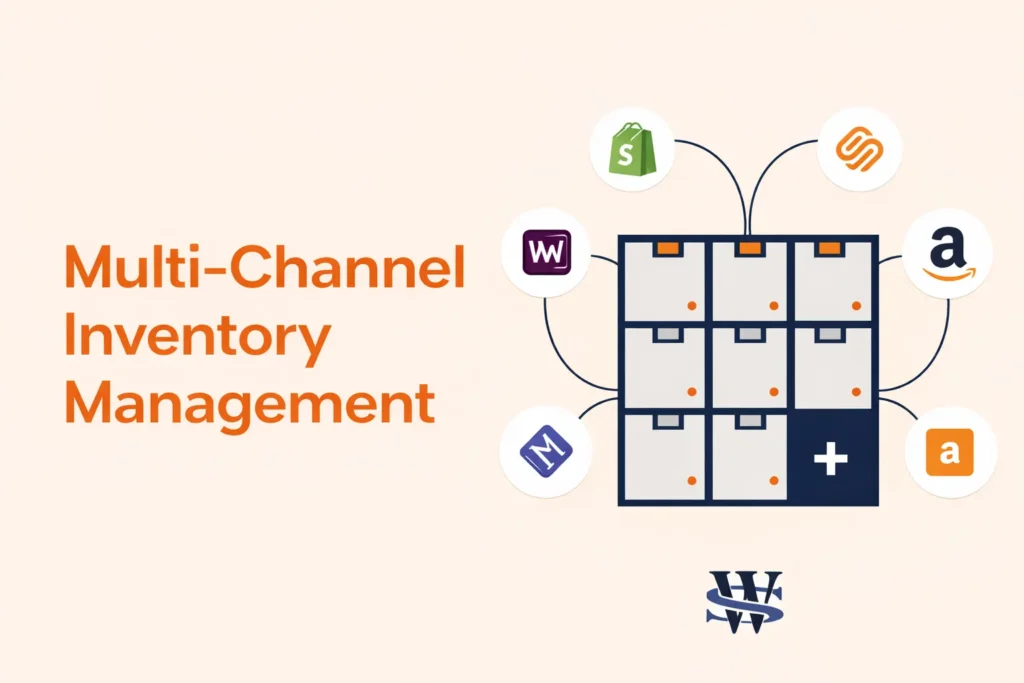
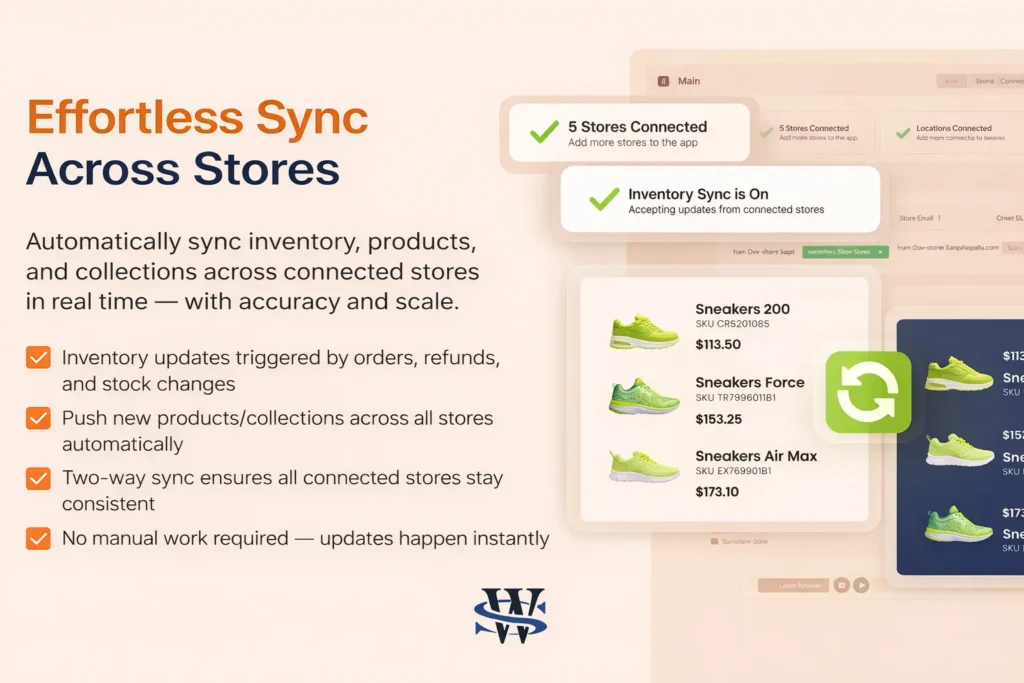
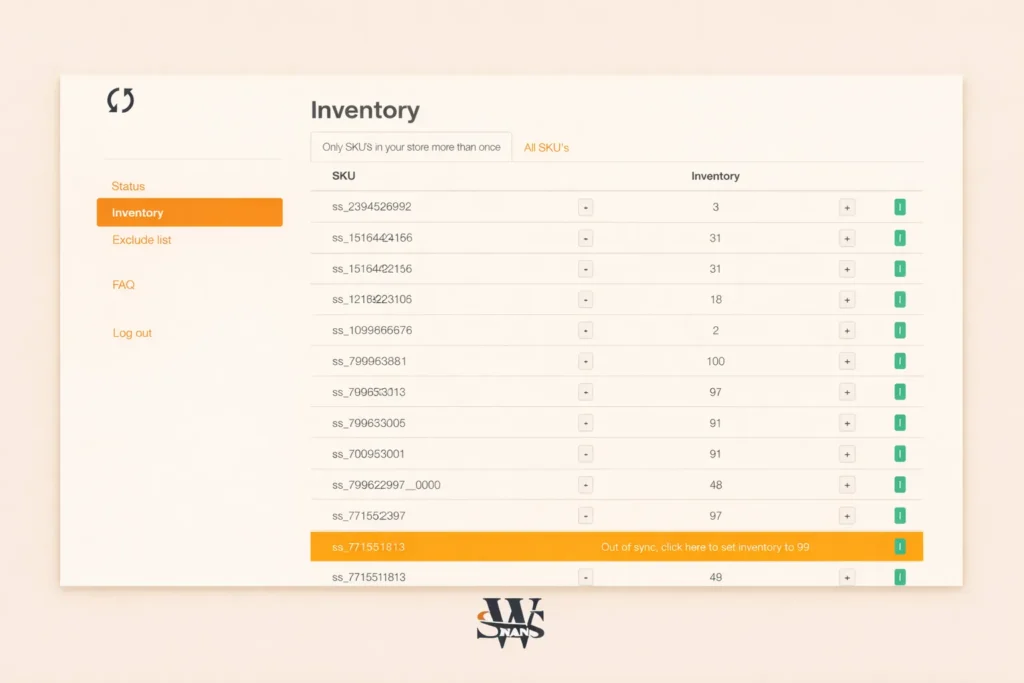
Many businesses sell across websites, marketplaces, and social platforms simultaneously. Without synchronization, stock levels quickly become inconsistent. Automation ensures that when a product sells on one platform, the updated stock level immediately reflects everywhere else.
Overselling Prevention
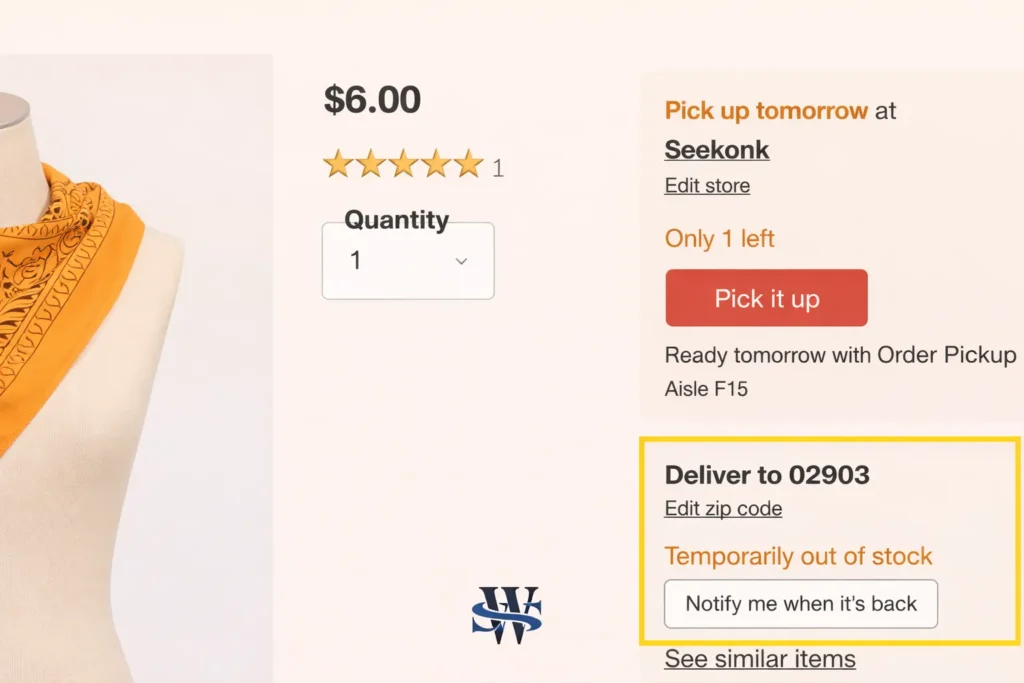
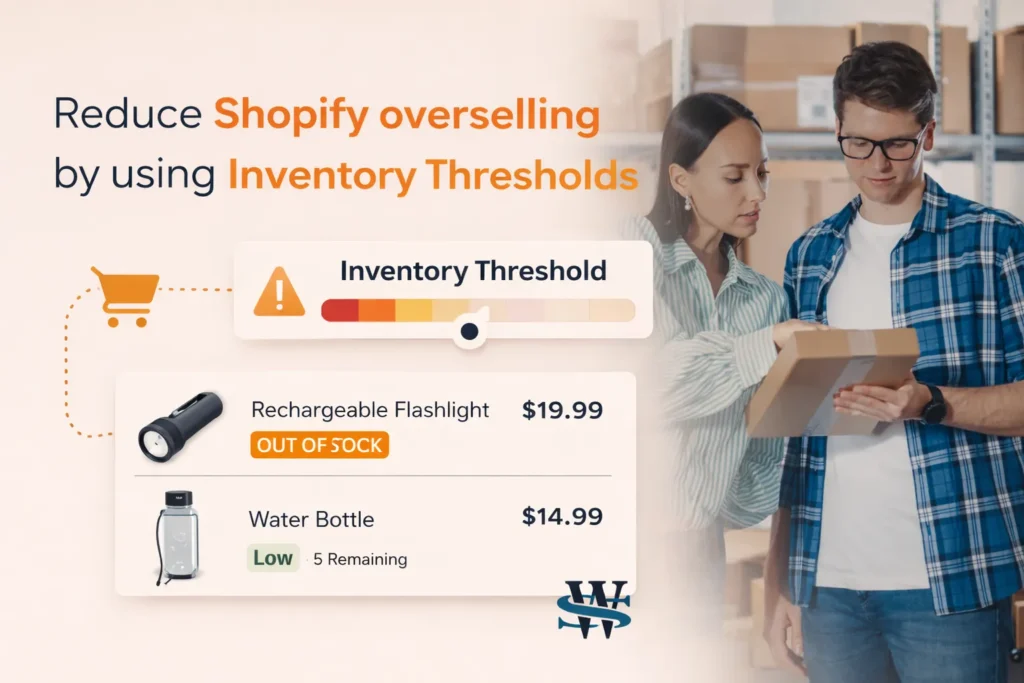
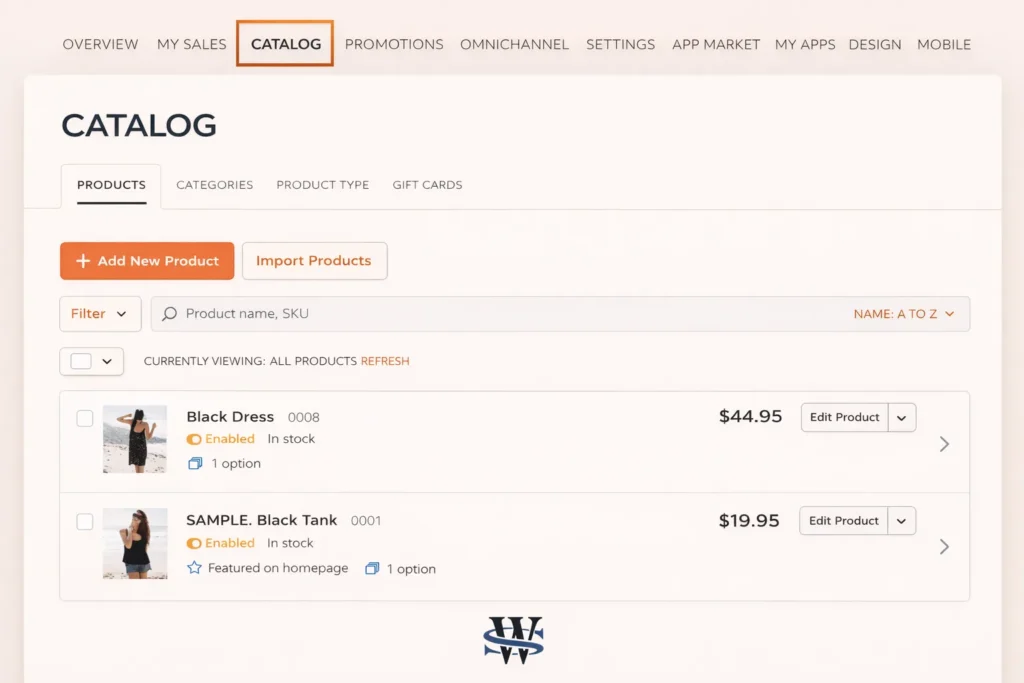
Overselling happens when orders are accepted even though inventory is no longer available. Automation prevents this by instantly adjusting stock levels after each purchase. If the available quantity reaches zero, the system stops additional sales, protecting the customer experience.
Low Stock Alerts
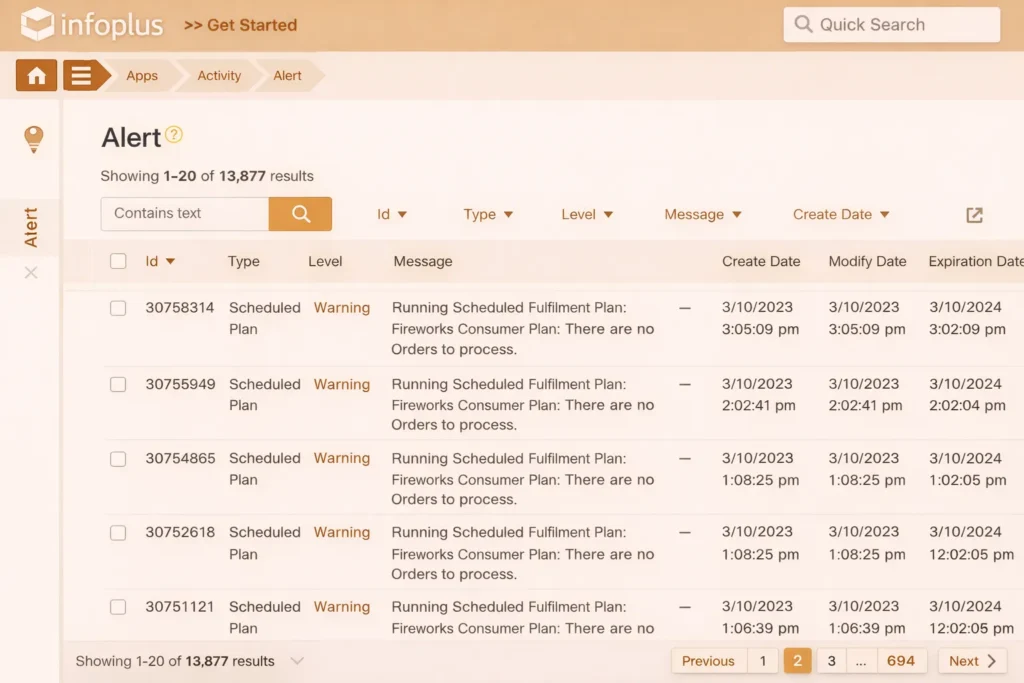
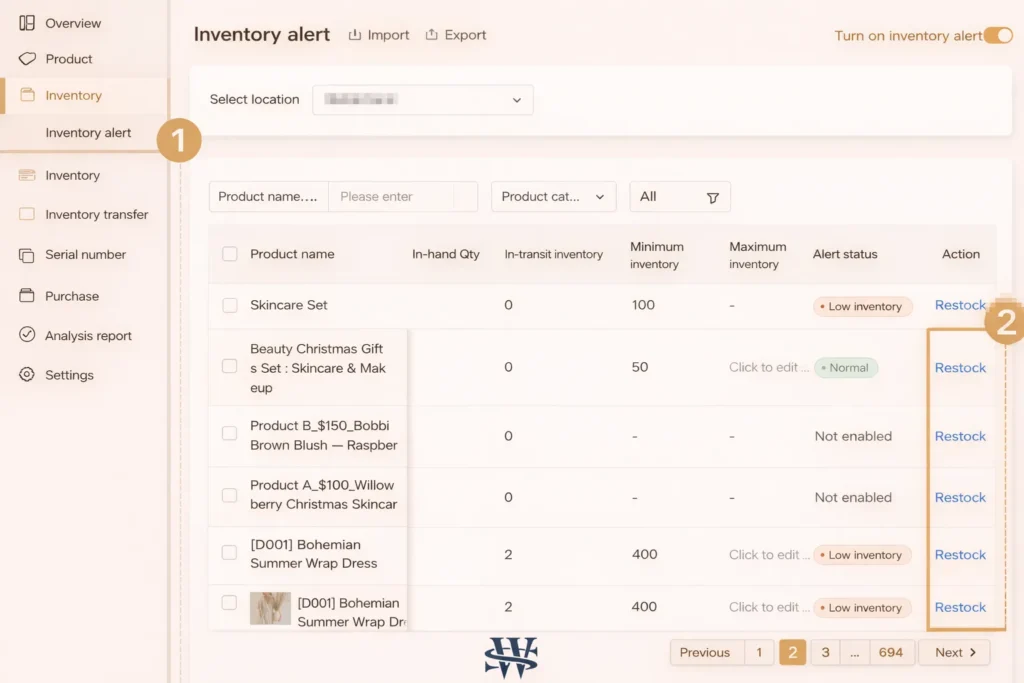
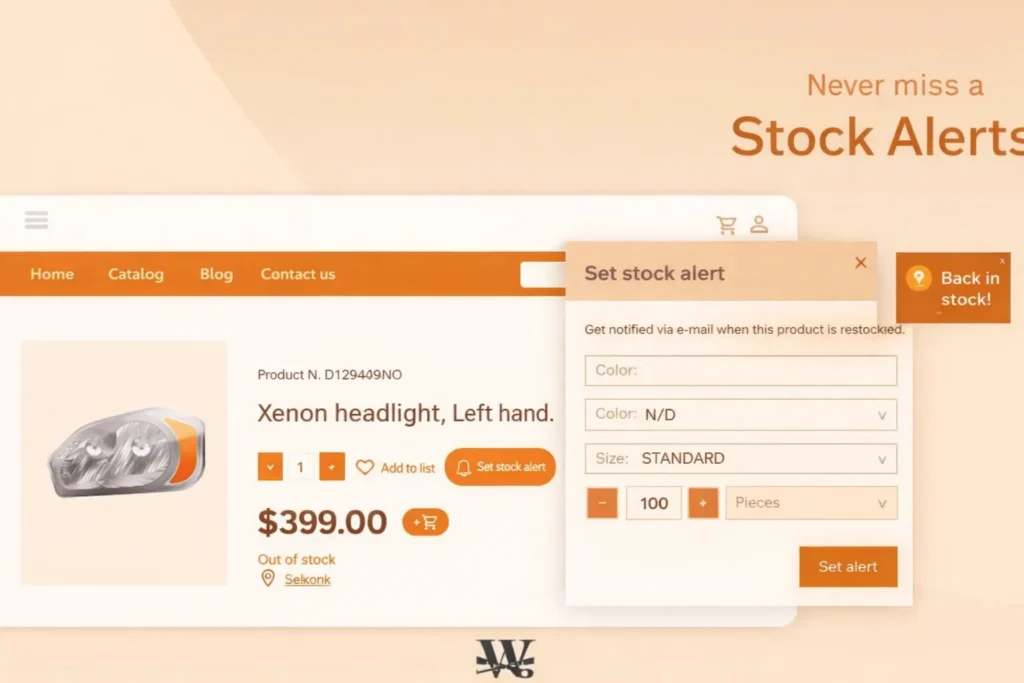
Businesses need enough time to reorder products before inventory runs out. Automated alerts notify teams when stock drops below a defined level. This ensures restocking happens early and prevents lost revenue due to unavailable products.
Multi-Warehouse Inventory Control
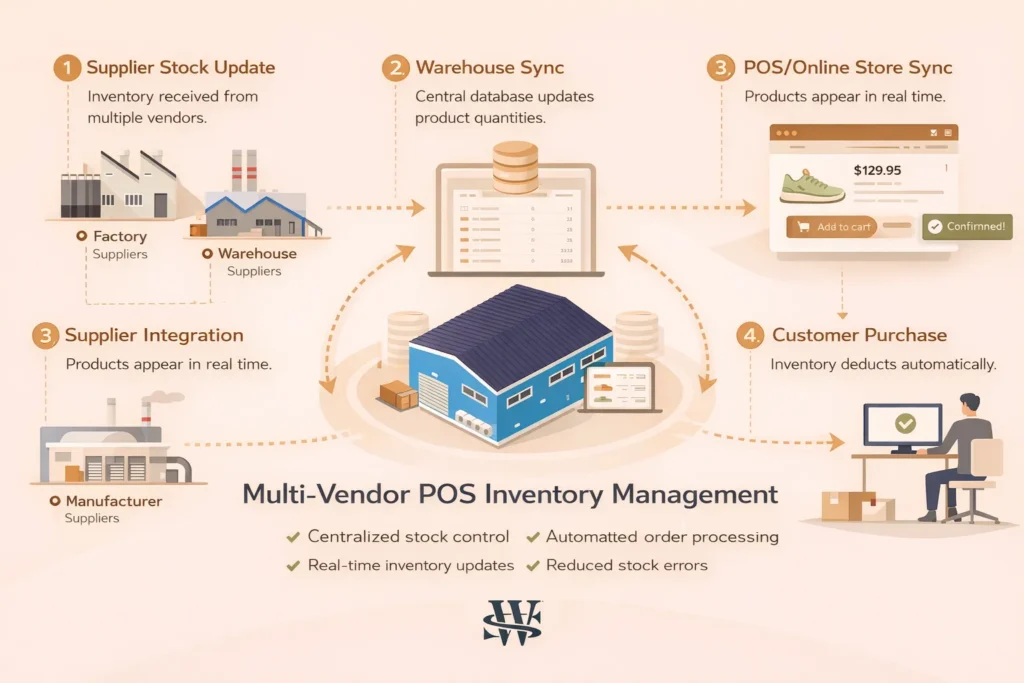
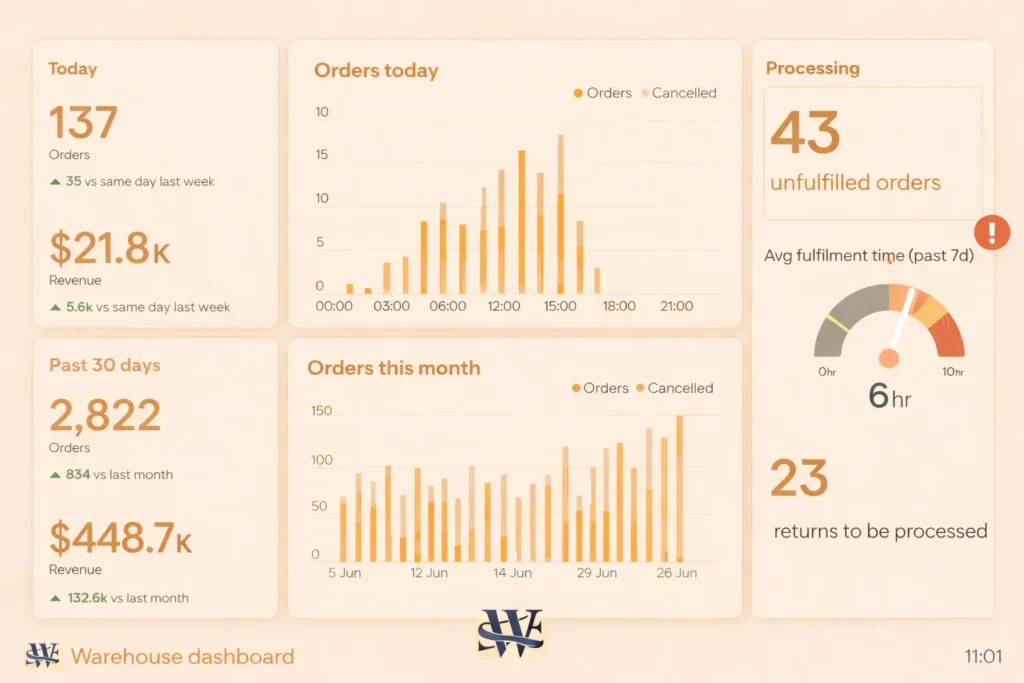
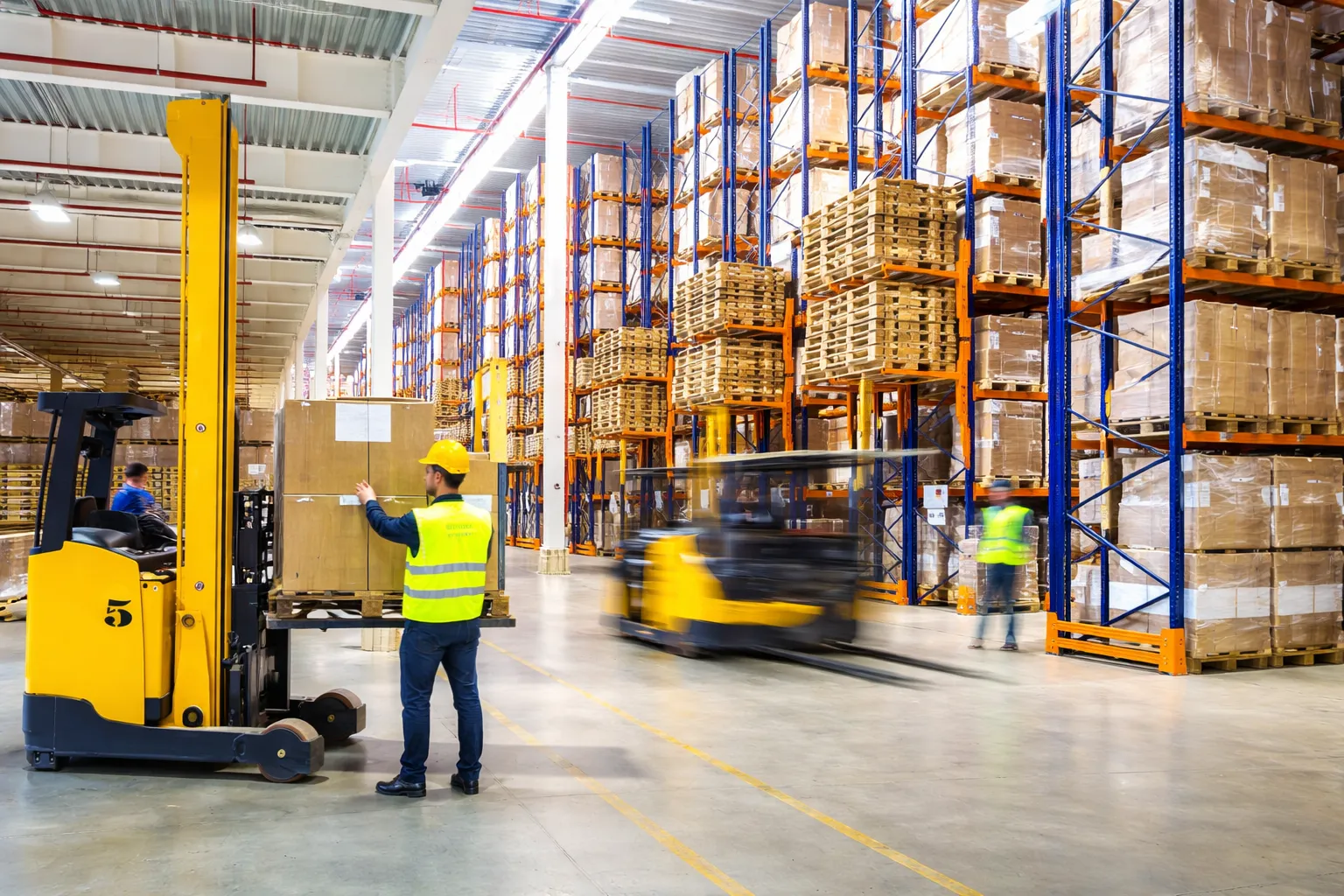
Companies storing products in different locations need a centralized system that tracks inventory everywhere. Automation provides visibility across warehouses so businesses can allocate stock efficiently, reduce delivery times, and maintain better operational coordination.
Inventory Reservation System
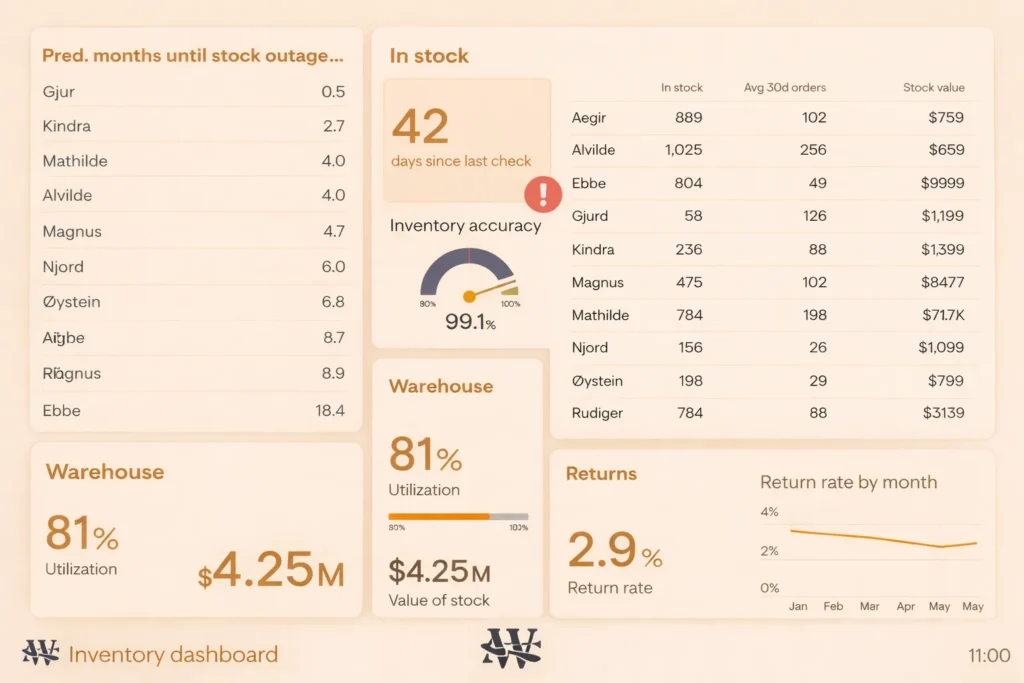
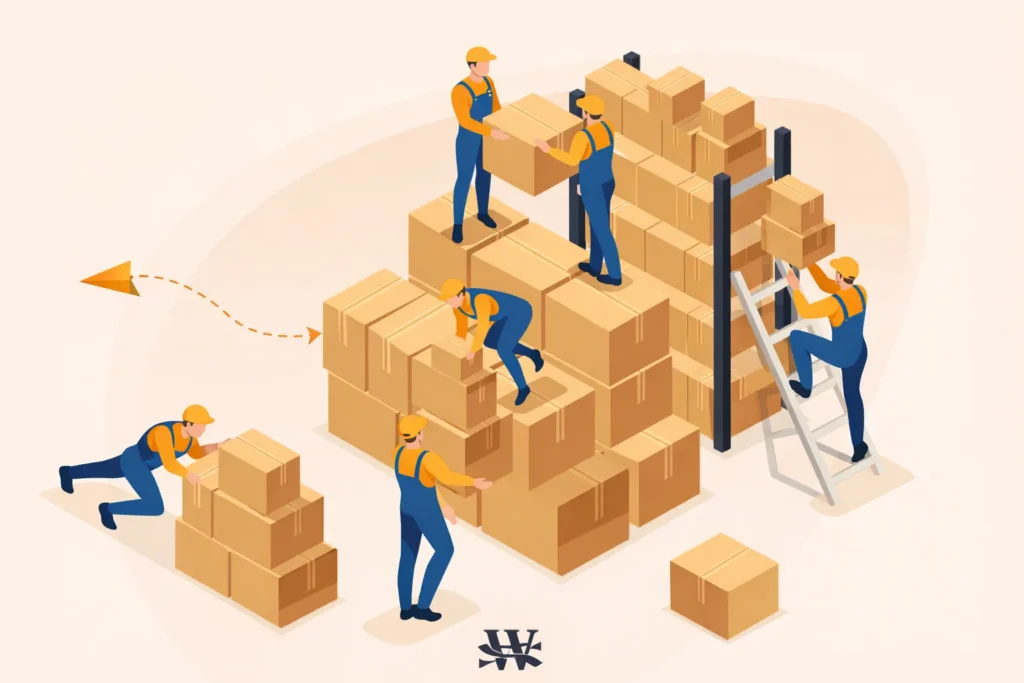
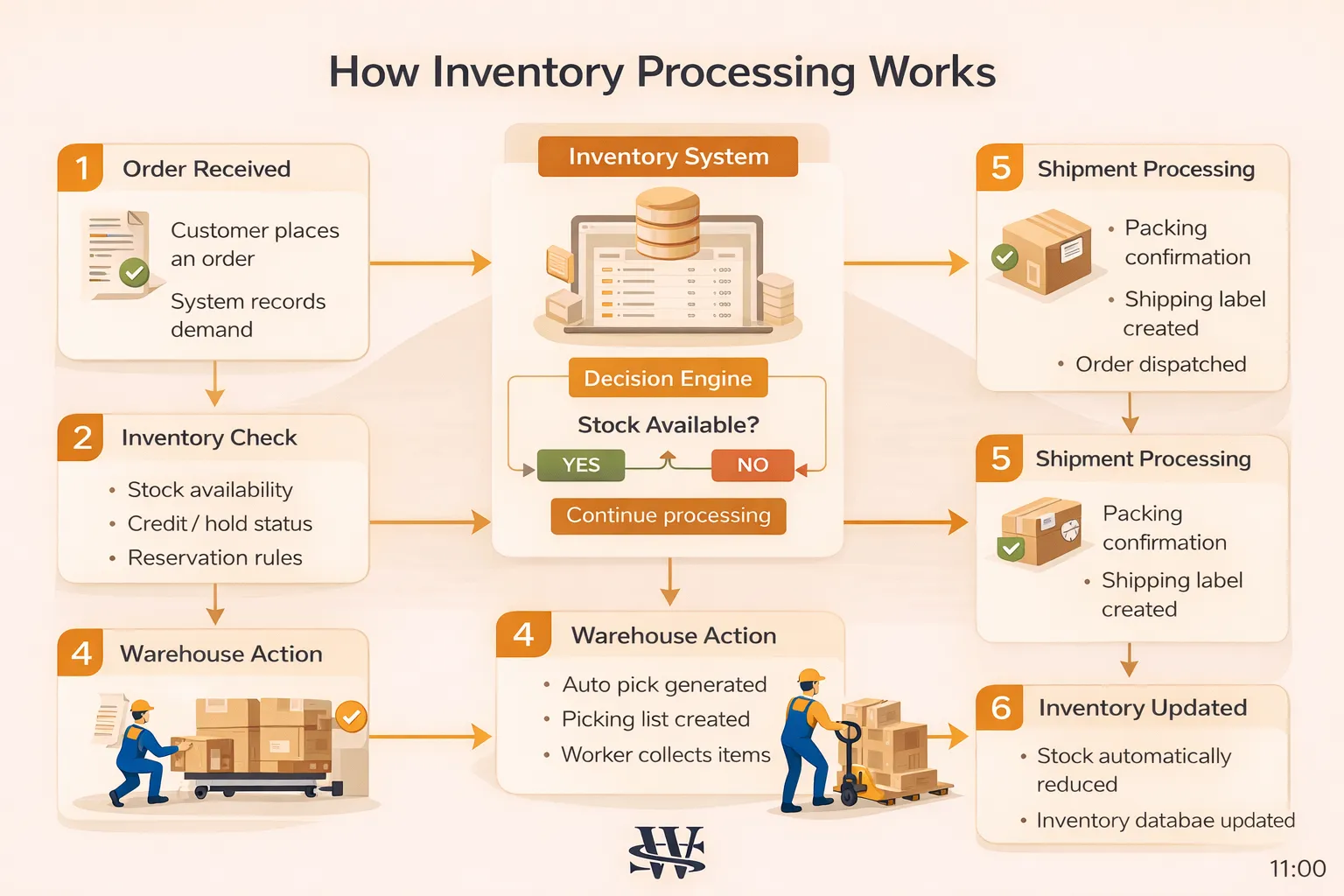
Some orders require stock to be reserved before they are shipped. For example, pending payments or COD verification may delay dispatch. Automation temporarily holds the required inventory to prevent accidental resale of the same item.
Supplier and Restocking Management
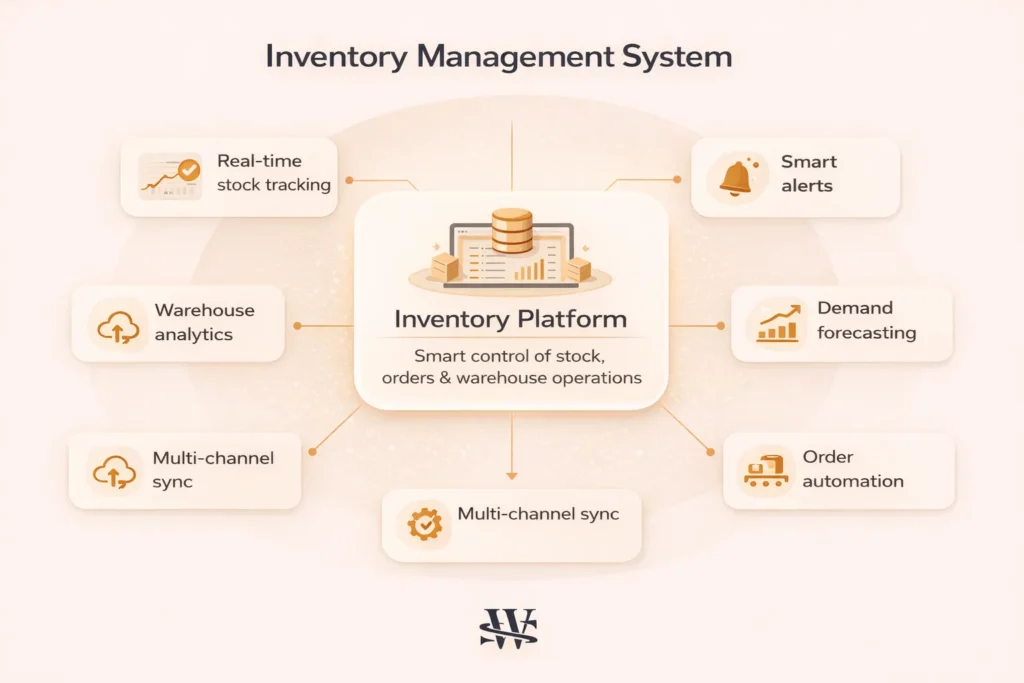
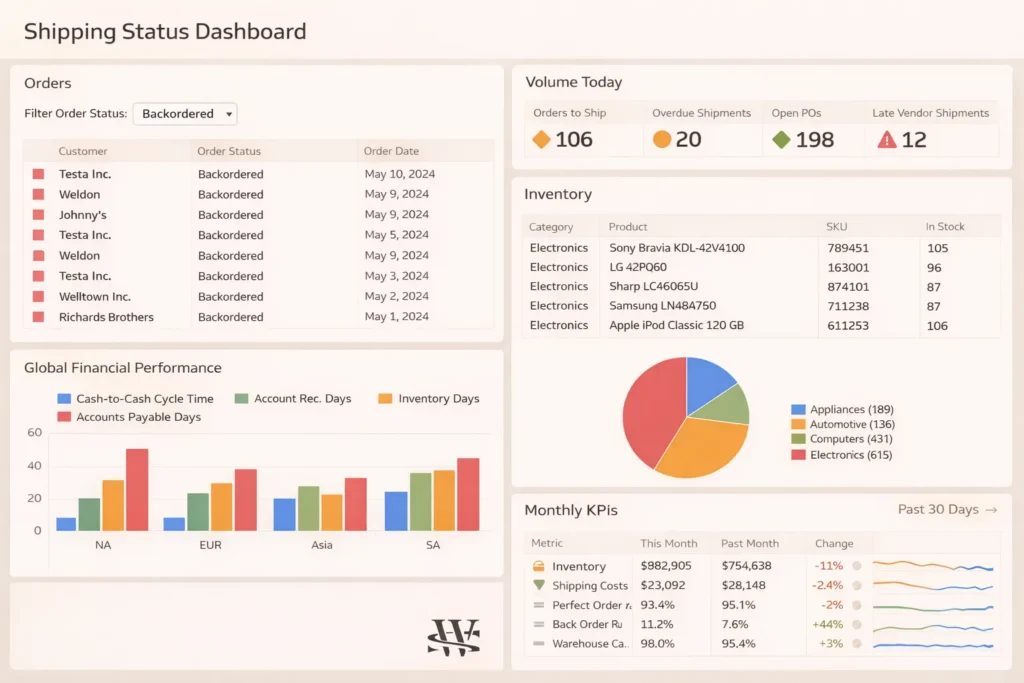
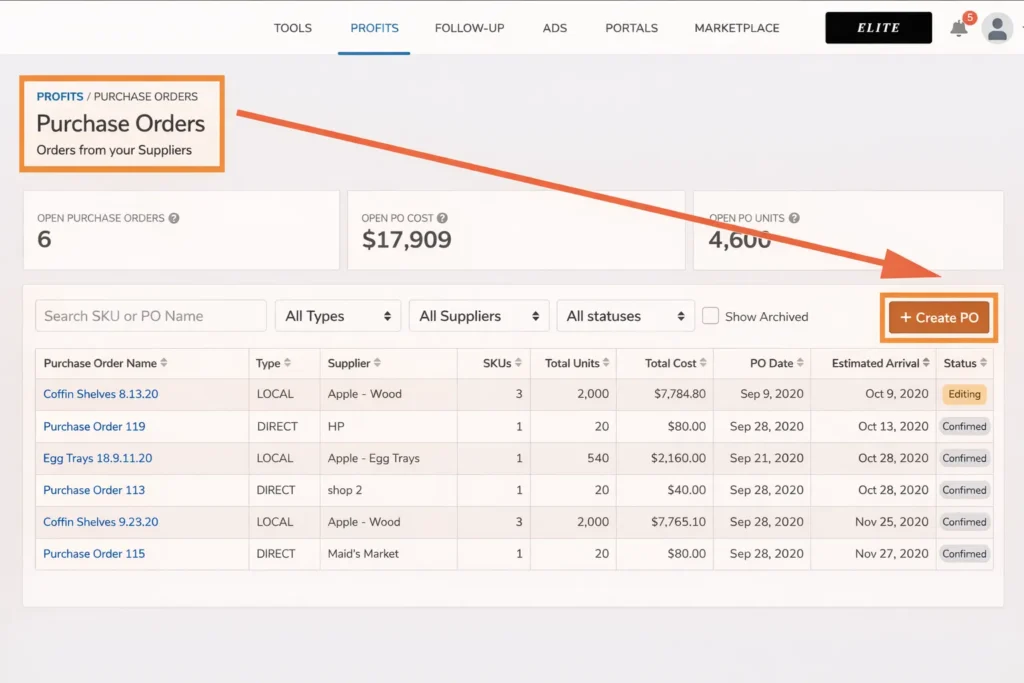
Inventory automation also supports supply chain planning. Businesses can monitor supplier deliveries, track incoming products, and calculate when to reorder items. This improves purchasing decisions and stabilizes inventory levels.
Inventory Analytics and Business Insights
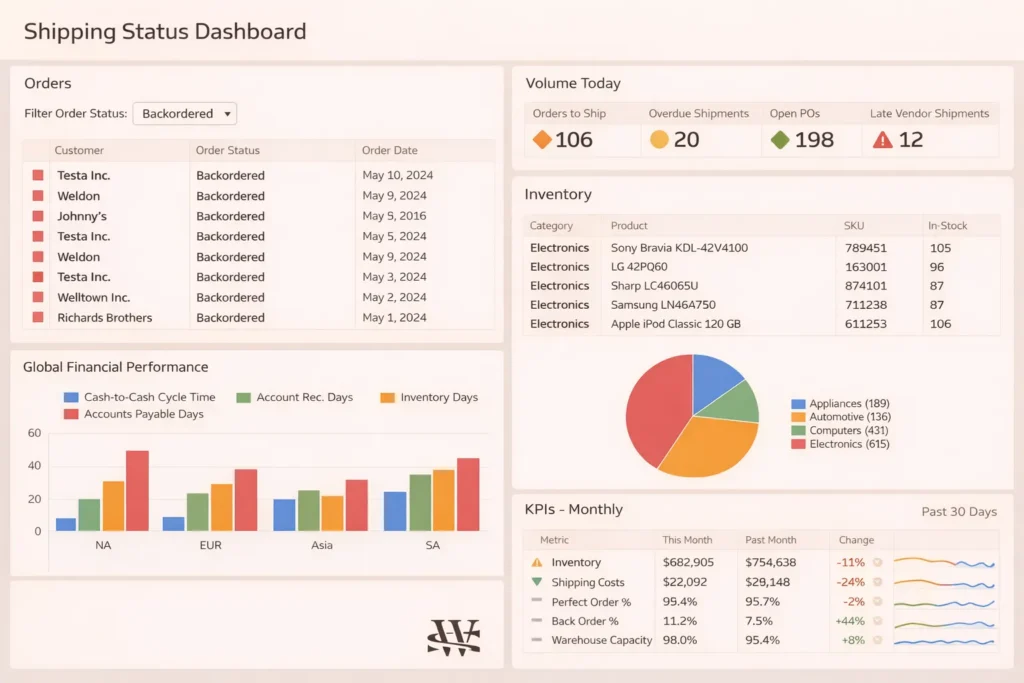
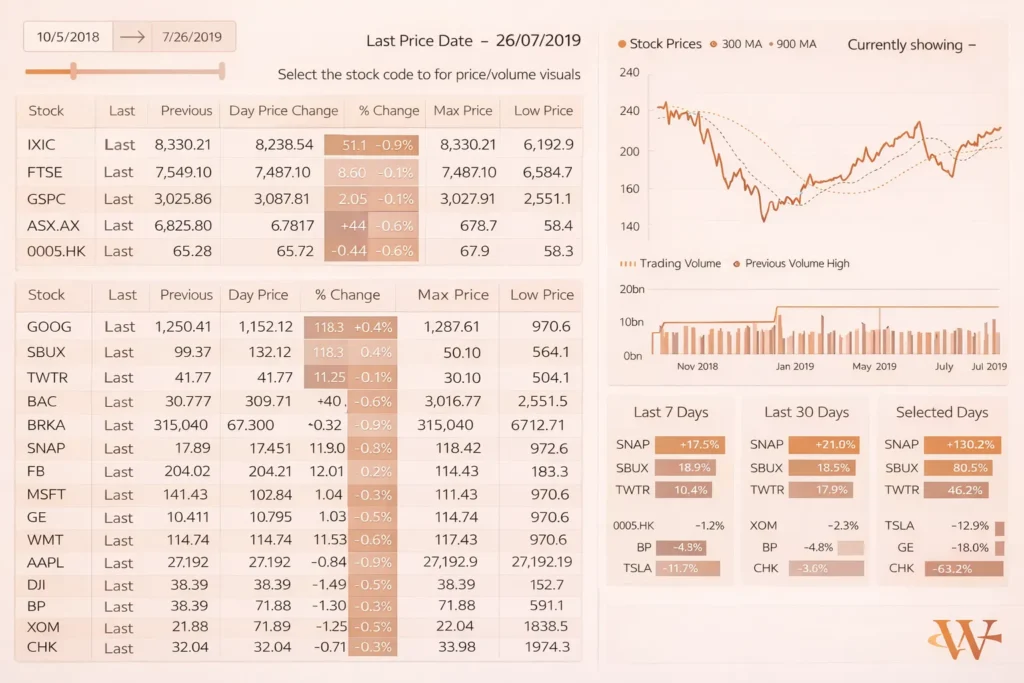

Automation collects valuable data about product performance and stock movement. Businesses can identify best-selling items, slow inventory, and seasonal trends. These insights help optimize purchasing strategies and improve profitability.
Why Businesses Choose SolutionWala
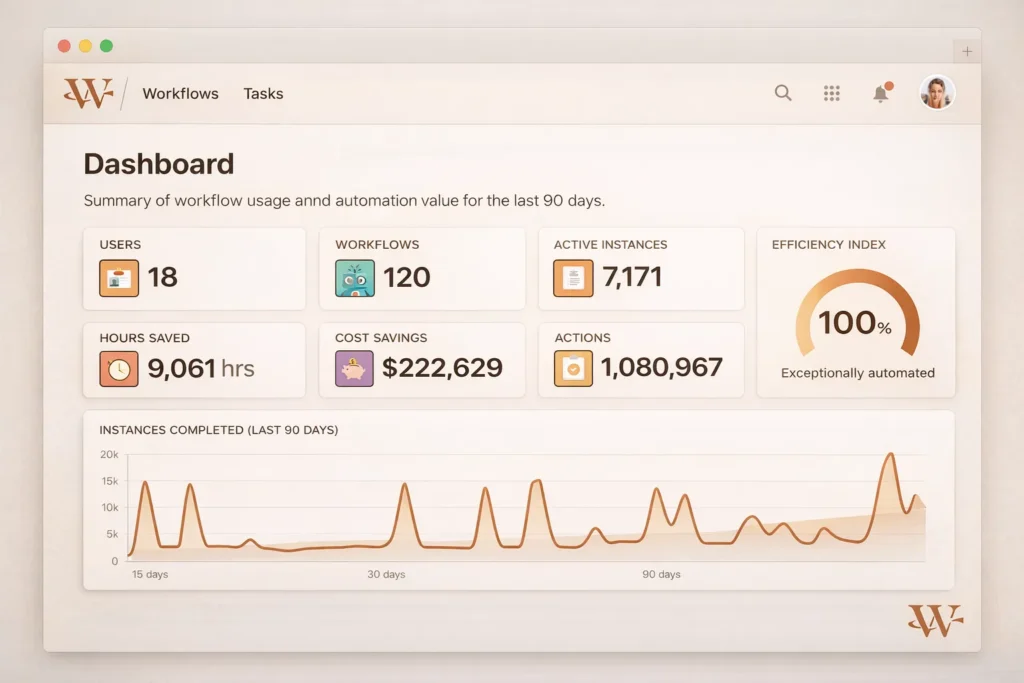
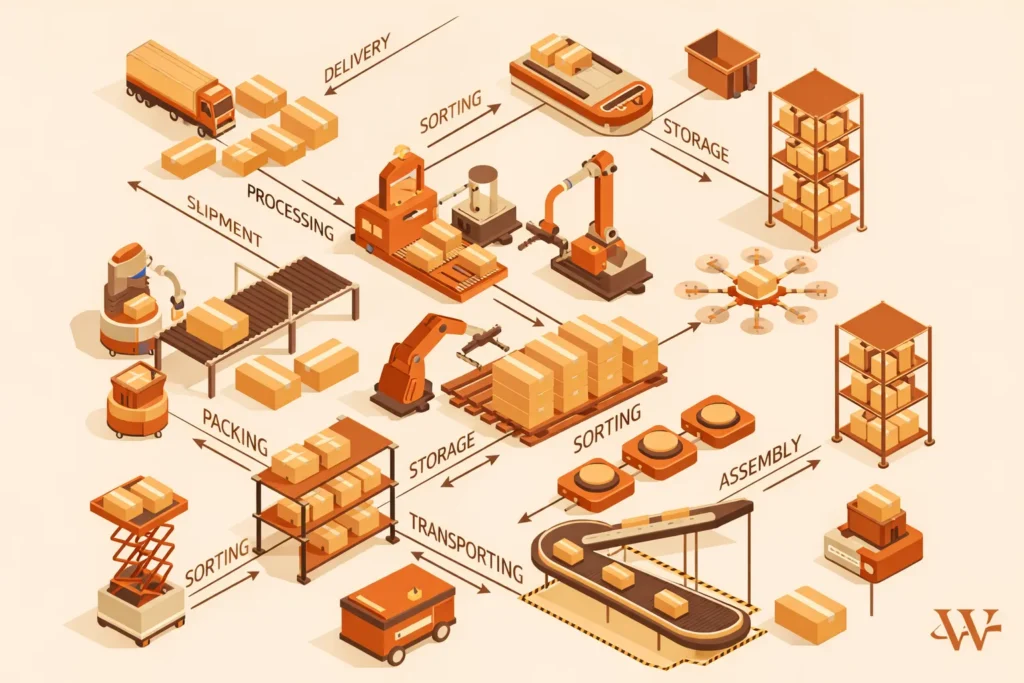
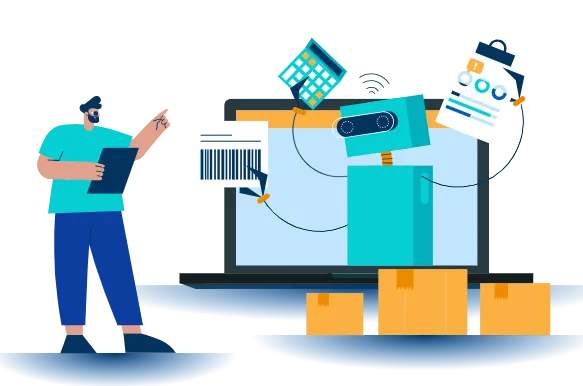
SolutionWala focuses on building automation systems tailored to real operational needs. Businesses gain reliable inventory control, better visibility across platforms, and scalable processes that support growth without increasing complexity.
Inventory Automation – FAQs
What is inventory automation?
It is the use of software and integrated systems to automatically track, update, and manage stock levels across warehouses, sales channels, and ecommerce platforms. It eliminates manual updates and keeps inventory accurate in real time.
How does inventory automation work?
It connects your sales platforms, warehouses, and inventory system. When a product is sold, returned, or restocked, the system updates stock levels automatically across all connected channels.
Why is inventory automation important for ecommerce?
Ecommerce businesses often sell across multiple platforms at once. It ensures stock levels remain synchronized, preventing overselling, stockouts, and fulfillment delays.
Can inventory automation prevent overselling?
Yes. Automated inventory systems update stock levels instantly when an order is placed. If inventory reaches zero, the system stops additional purchases, preventing overselling.
What businesses benefit most from inventory automation?
Businesses with large product catalogs, multiple warehouses, or sales across several platforms benefit the most. Ecommerce brands, marketplace sellers, retailers, and wholesalers often rely on this to manage operations efficiently.
Does inventory automation integrate with ecommerce platforms?
Most of these systems integrate with platforms such as Shopify, WooCommerce, marketplaces, and custom ecommerce websites. This allows inventory to stay synchronized across all channels.
How does inventory automation improve order fulfillment?
With accurate stock data, businesses can process orders faster and avoid delays caused by incorrect inventory. Automation ensures products are available and routed correctly during fulfillment.
Is inventory automation suitable for small businesses?
Yes. Even small businesses benefit from automation because it reduces manual work, prevents errors, and allows companies to scale without hiring large operational teams.
How does inventory automation help warehouse management?
It helps warehouses track product locations, manage stock movement, and coordinate shipments more efficiently. Staff can quickly find items and process orders with fewer mistakes.
How long does it take to implement inventory automation?
Implementation time depends on the complexity of the business systems and integrations. Many companies can begin using it within a few weeks once platforms and workflows are connected.