A Beginner’s Guide to Competitor Keyword Analysis for More Quality Traffic
A Beginner’s Guide to Competitor Keyword Analysis for More Quality Traffic
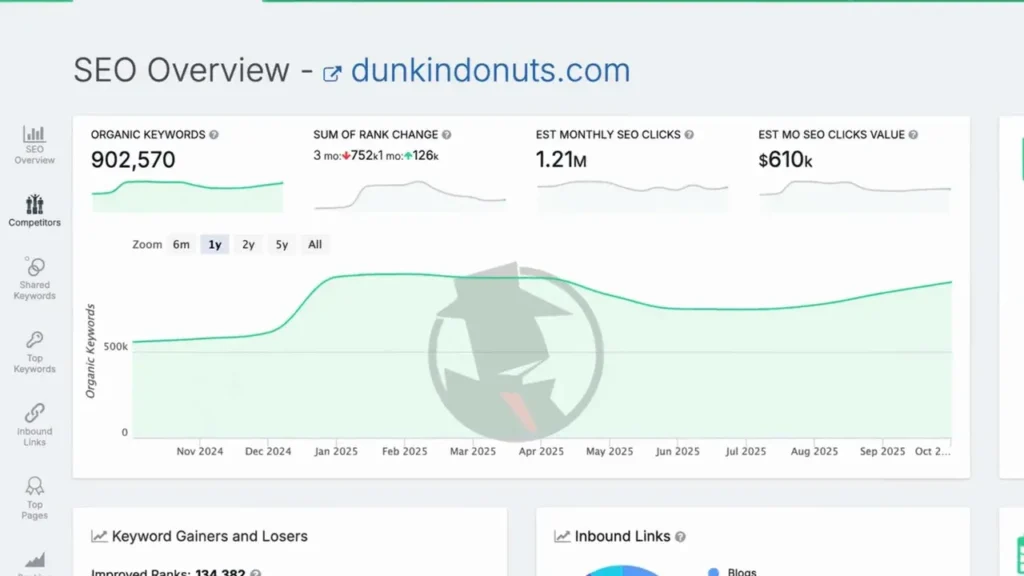
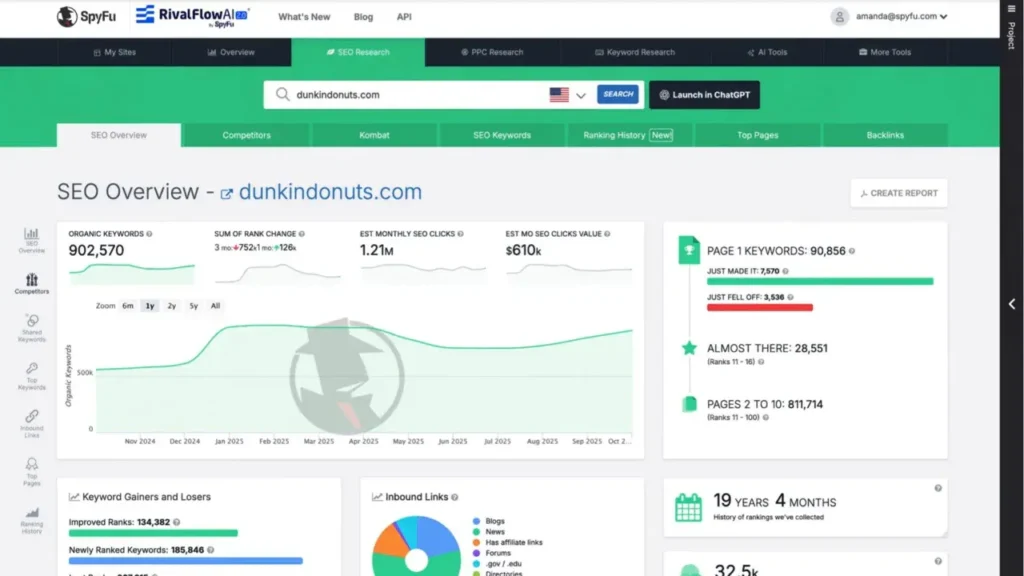
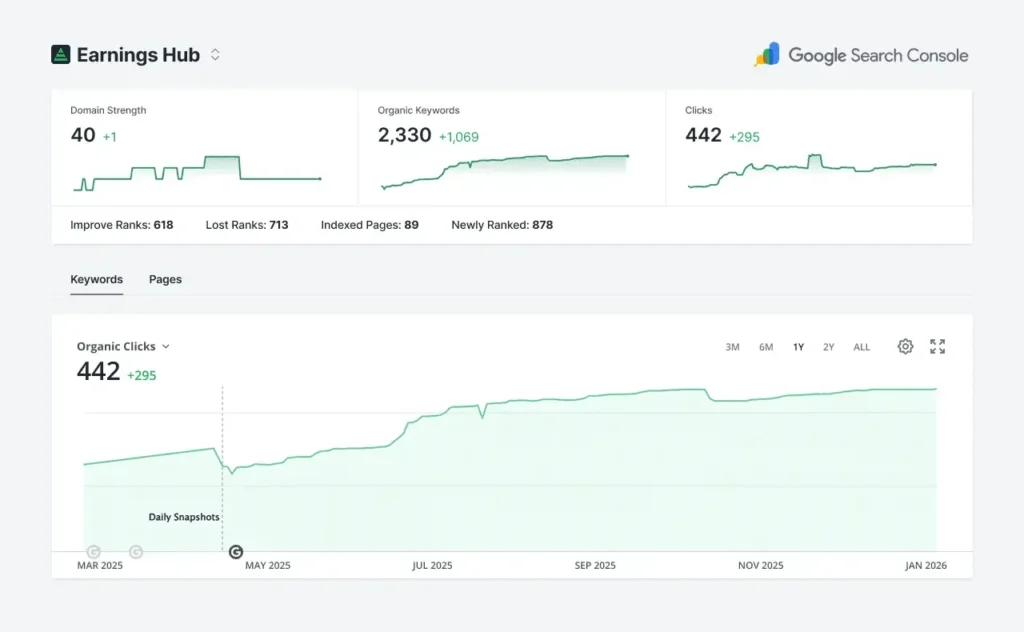

Download your Competitors’ most profitable keywords & ads
Learn from their mistakes without suffering them yourself.
Take their biggest wins and build on top of them.
SEO
PPC
Content
Understanding Keyword Metrics
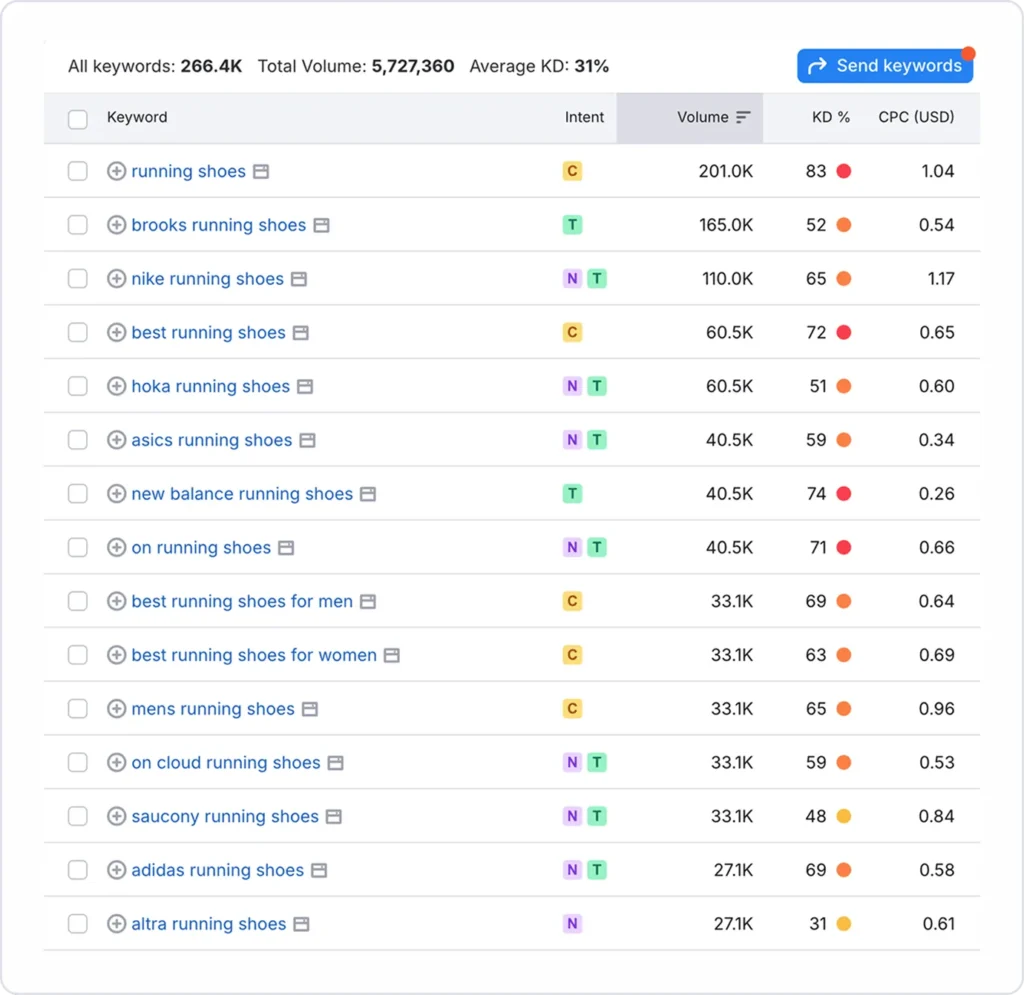
Our free keyword generator provides the exact keywords people are searching for as well as the following metrics:
• Search Intent: The purpose of the search in a search engine.
• Search Volume: Average monthly searches of that specific term.
• Keyword Difficulty: A score of how hard it is to rank for the term, with lower scores being easier.
• CPC: Typical cost per click in ads, hinting at commercial value.
Use these numbers to choose the right keywords and create content that aligns with user needs.
How to Choose the Right Keywords
Here’s how to choose the right keywords for your website:
1. Check relevance: Look at the Google search results for each keyword to confirm the results are similar to your website. For example, “running shoes” might be relevant to your website, but “snowshoes” may not be.
2. Prioritize search volume: Identify keywords that have higher search volumes. Keywords with more monthly searches have potential to drive more traffic.
3. Identify low-difficulty keywords: From that short-list, focus on keywords with lower difficulty scores. They will be the easiest to rank for. It’s often a balance between search volume and keyword difficulty.
4. Use CPC as a value hint: A higher cost-per-click often signals commercial value, making those keywords strong candidates for revenue-focused pages or ads. A lower CPC may indicate less competition.
5. Group related keywords: Group close keyword variants and synonyms so one well-structured page can rank for several keywords. If keywords have the same meaning, you should likely use them on the same page.
6. Map keyword groups to pages: Assign each keyword or keyword group to its own page. Typically, keywords with informational search intent should be targeted with blog posts, and commercial and transactional keywords should be targeted with product or service pages.
Refine your keywords using these steps and you’ll turn the raw data from your keyword research into a focused plan that attracts the right visitors.
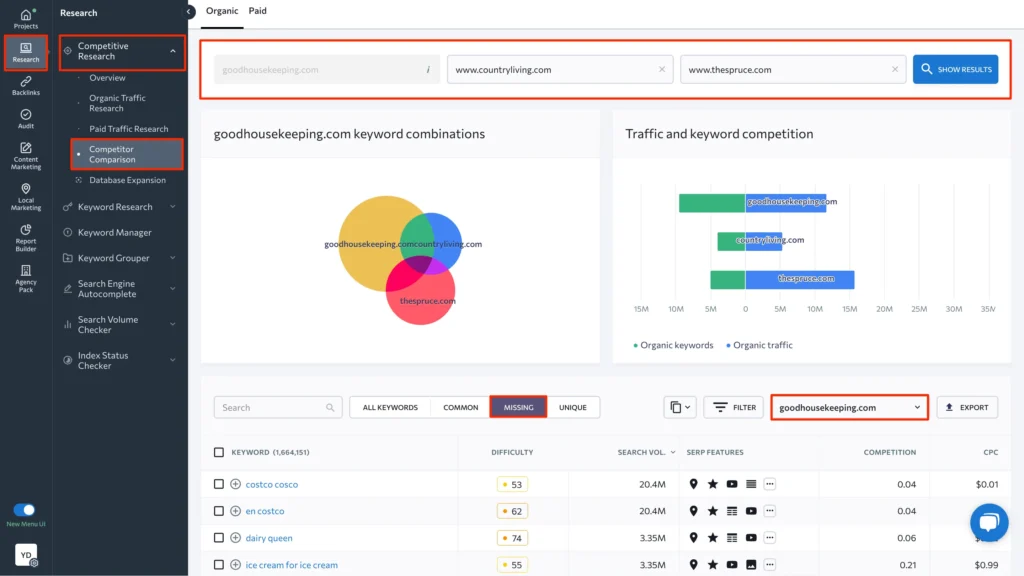
Competitor Comparisons subtab
To do this, go to the Competitor Comparison subtab. Here, you can find out what keywords you have in common with your top competitors, which ones are missing, and which ones are unique.
Cleaning and Clustering Keywords
Within any keyword cluster, there’s always a shining star – the top-ranking keyword. In the example illustrated below, this keyword is ‘wedding venues’